
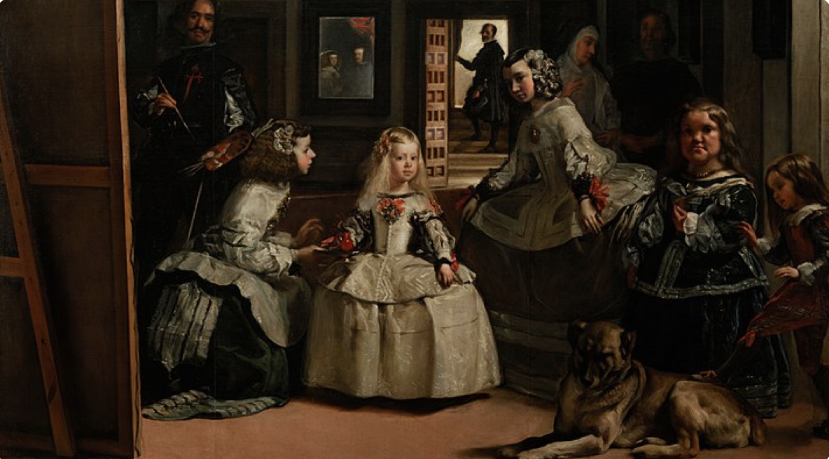
Las Meninas (1656) by Diego Velázquez
This masterpiece is a complex portrait of the Spanish royal court, showing Infanta Margarita surrounded by her maids of honor, with the artist himself appearing at a large canvas on the left. It is famously interpreted for its clever use of perspective, reflecting the King and Queen in a mirror while blurring the lines between reality and illusion.
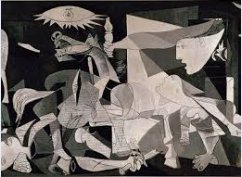
Guernica (1937) by Pablo Picasso
Painted in response to the bombing of a Basque town during the Spanish Civil War, this monumental mural is one of the world’s most powerful anti-war statements. It uses a monochrome palette and shattered cubist forms to depict the profound agony and chaos caused by conflict.
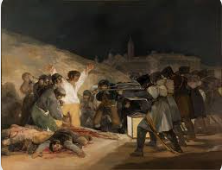
The Third of May 1808 (1814) by Francisco Goya
This painting depicts the execution of Spanish patriots by Napoleon's army, marking a pivotal moment in art history by showing the raw horrors of war rather than heroic victory. Goya's dramatic use of light focuses on the terrified faces of the victims, turning the scene into a visceral scene of human suffering.
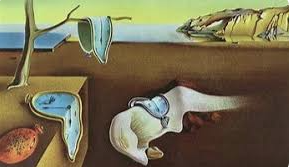
The Persistence of Memory (1931) by Salvador Dalí
Dalí’s most famous Surrealist work introduces a dreamlike landscape where pocket watches melt over a barren, desolate shore. It is interpreted as an exploration of the unconscious mind and the subjective nature of time.
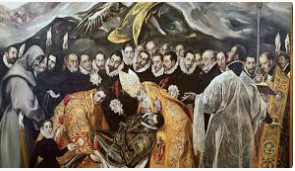
The Burial of the Count of Orgaz (1586) by El Greco
Located in Toledo, this massive painting illustrates a local legend combining heavenly and earthly realms with the artist's signature elongated figures and vibrant colors. It showcases El Greco’s unique style, blending Byzantine tradition, Italian Renaissance techniques, and profound spiritual passion.
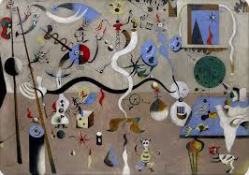
The Harlequin's Carnival (1924-25) by Joan Miró
As a landmark of Surrealism, this painting features a whimsical, intricate, and chaotic scene filled with imaginary creatures and symbolic shapes. It represents the artist's subconscious mind, offering a lighthearted yet highly complex visual interpretation of his inner world.